
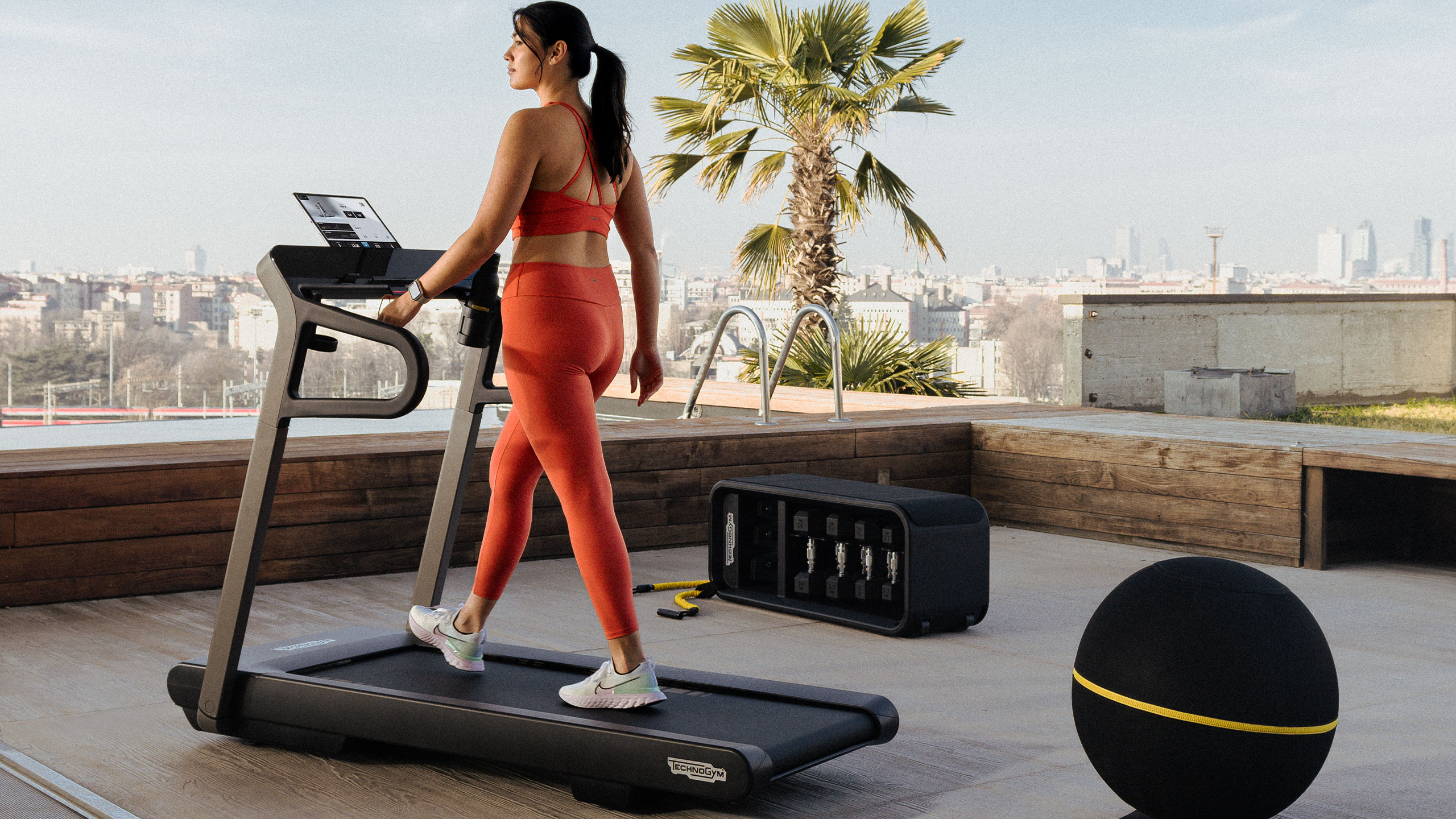
Working out at home sounds simple until you start shopping. There are treadmills, adjustable dumbbells, resistance bands, pull-up bars and dozens of other products, and it’s hard to know which ones are actually useful for you. Popularity and price rarely tell you what fits your routine.
This guide to home gym and fitness equipment helps you think through the decision step by step. You’ll learn about the main types of home gym equipment, what beginners usually need, how to plan a small space, how to budget and how to keep your equipment safe and well maintained.
You don’t need a fully equipped gym to exercise at home. The right setup depends on your goals, your space, your budget and what you enjoy doing, so we’ll focus on helping you make that choice yourself.
What Is a Home Gym and Why Is It Useful?
A home gym is any space in your home where you keep equipment for regular exercise. It can be a spare room with a bench and weights, or a corner of your bedroom with a mat and a set of resistance bands. What makes it a home gym is that the space is set up so you can work out without leaving the house.
Exercising at home has some clear benefits. You save travel time, you can work out whenever your schedule allows and you don’t need to share equipment. Some people also prefer the privacy, and others find it easier to exercise when they have children or other responsibilities at home.
Home workouts and commercial gym workouts are different, and neither is better for everyone. A commercial gym usually offers a wider range of machines, heavier weights and staff who can answer questions. It may also give you a change of scenery and a community, which some people find motivating.
A home gym has its own limits. Equipment costs money up front, it takes up floor space and you’re responsible for maintaining it. You also need enough self-motivation to start a session without anyone else expecting you there.
The useful question is not which option wins, but which one you’re more likely to use regularly. Many people mix both, for example by training at home on busy weekdays and visiting a gym occasionally for specialised equipment.
Types of Home Gym and Fitness Equipment
Home gym equipment generally falls into four groups, which are strength, cardio, bodyweight and flexibility or recovery. You don’t need something from every group. Knowing what each one does helps you pick what matches your goals.
Strength Training Equipment
Strength equipment adds resistance so your muscles work harder. Common options include dumbbells, barbells, kettlebells, weight benches and adjustable weights.
- Dumbbells are versatile and easy to learn, but fixed pairs take up storage space as you add heavier weights.
- Adjustable dumbbells let you change the weight in one compact unit. Check how the adjustment mechanism works, because some are quicker and more secure than others.
- Barbells and plates allow heavier lifting but need more room, a sturdy rack or stands and careful safety planning.
- Kettlebells suit swinging and carrying movements, though they can feel awkward for beginners at first.
- Weight benches support many exercises. Look at the weight limit and whether the bench is stable and adjustable.
Cardio Equipment
Cardio equipment raises your heart rate and suits steady or interval-style workouts. The main choices are treadmills, exercise bikes, rowing machines and skipping ropes.
- Treadmills make it convenient to walk or run indoors. They need floor space, a power supply and regular maintenance, and they can be noisy.
- Exercise bikes are generally lower impact than running and often take up less room, though comfort depends on how well the seat and handlebars adjust to you.
- Rowing machines work several muscle groups at once, but they need a long footprint and correct technique.
- Skipping ropes are cheap and portable. They need some ceiling height and a suitable floor, and they may feel tiring or awkward when you first try them.
Bodyweight Training Equipment
These tools help you use your own body weight as resistance. Pull-up bars, push-up handles and suspension trainers are common examples.
A pull-up bar can be mounted in a doorway or fixed to a wall or frame. Always check the manufacturer’s instructions and weight limit, and make sure the door frame or wall can safely support it. Suspension trainers need a secure anchor point, and their difficulty changes with your body position, so beginners should start with easier angles.
Flexibility and Recovery Equipment
Exercise mats, foam rollers and stretching straps support stretching, mobility work and cool-downs. A mat also adds comfort and grip for floor exercises. Many people enjoy using foam rollers after a workout, but individual responses vary, so treat them as an optional tool rather than a guaranteed fix for soreness.
How to Choose the Right Home Gym Equipment
The best way to choose home gym equipment is to start with your goals and your space, then compare options against your budget. Starting with the product usually leads to impulse purchases.
Start With Your Goals and Experience
Ask what you want from your workouts. If you want general fitness, a few versatile items may be enough. If you’re training for a specific activity, you may need more specialised equipment. Beginners usually benefit from simple, easy-to-use items, while experienced exercisers may want more adjustability or heavier loads.
Measure Your Space
Measure the floor area and the ceiling height before you buy anything. Equipment needs room around it, not just under it. Overhead exercises, skipping and pull-ups all need extra height, and some machines need space on every side to be used safely.
Check the Practical Details
- Weight limits and adjustability. Make sure the equipment supports your body weight and any loads you plan to use. Check how far it can adjust as you progress.
- Build quality. Look at the frame, joints, padding and finish. Read manufacturer specifications, and keep in mind that product details can differ between brands, models and regions.
- Noise. If you live in an apartment or share walls, consider how loud the equipment is during use.
- Portability and storage. Foldable or stackable equipment can make a big difference in small homes.
- Maintenance. Machines with moving parts or electronics need more upkeep than simple weights.
- Safety and ease of use. Equipment you can set up and use correctly is usually a better choice than something complicated.
Weigh Versatility Against Specialisation
Versatile items such as dumbbells, bands and mats can support many exercises for a modest cost. Specialised machines can be excellent for one purpose but may not justify their space and cost if you only use them occasionally. Neither approach is correct for everyone, so choose according to how you actually plan to exercise.
Essential Home Gym Equipment for Beginners
Home gym equipment for beginners can be very simple. A pair of dumbbells, a set of resistance bands and an exercise mat are enough to support a wide range of beginner workouts, and many people start with even less.
- Resistance bands are compact, portable and available in different resistance levels. Their feel differs from free weights, so exercise options and progression may differ too.
- Dumbbells let you train most major muscle groups. If you’re unsure about weight, a lighter pair or an adjustable set can be a sensible start.
- An exercise mat gives comfort and grip for floor exercises and stretching.
- A skipping rope is an optional low-cost cardio tool if you have the space and enjoy that style of exercise.
Adjustable or multi-purpose equipment can save space and money, since one item replaces several. The trade-off is that it may be less convenient to switch settings during a workout.
You don’t have to buy everything on this list. Many beginners do well starting with one or two items and building a routine first. If you stick with it for a few weeks, you’ll have a much clearer idea of what is missing, and that is the right time to expand. Buying a lot of equipment before you know your habits is one of the easiest ways to waste money.
How to Set Up a Home Gym in a Small Space
You can set up a home gym in a small space by choosing a clear area, using compact equipment and storing everything neatly after each session. A dedicated room is nice to have, but it isn’t required.
- Pick the area. A corner of a bedroom, a spare room or a section of the living room can work. Choose a spot where you can move freely.
- Use compact equipment. Foldable benches, adjustable dumbbells, bands and mats take up much less room than large machines.
- Organise storage. Wall hooks, shelves, under-bed boxes or a small rack can keep weights and accessories off the floor.
- Think about flooring. A mat or interlocking floor tiles can protect both your floor and your joints, and help reduce noise.
- Consider ventilation and lighting. Fresh air and good light make workouts more comfortable and help you see what you’re doing.
- Check ceiling height. This matters for overhead presses, skipping and pull-ups.
Leave safe clearance around anything that moves, such as a rowing machine, a swinging kettlebell or a resistance band that may stretch. Remove loose items from the area before you start.
Finally, store equipment when you’re done. A tidy space is easier to use, and it avoids tripping hazards. This is how home gym ideas for small spaces usually work best in practice, with simple tools and a clear routine for putting them away.
Home Gym Equipment Costs and Budget Planning
Home gym equipment costs vary widely depending on the type of equipment, its quality and where you buy it. Because prices and availability change by retailer, region and time of year, this guide compares relative cost levels rather than quoting exact figures. Check current listings in your own country before you plan your budget.
| Setup level | Typical contents | Relative cost | Best suited to |
|---|---|---|---|
| Basic | Mat, resistance bands, a pair of dumbbells or a skipping rope | Lower | Beginners and small spaces |
| Mid-range | Adjustable dumbbells, a bench, a pull-up bar, a kettlebell | Moderate | Regular exercisers who want more variety |
| Advanced | Rack, barbell and plates, or a treadmill, bike or rower | Higher | Experienced users with dedicated space |
Essential and Optional Purchases
Essential items are the ones that let you do your planned workouts safely. Optional items are extras that add comfort or variety. Separating the two helps you avoid overspending.
New and Second-Hand Equipment
Second-hand equipment can be good value, but it needs closer inspection. Check for rust, cracks, worn cables, loose bolts, damaged padding and missing parts. Confirm that you can still get manuals and replacement parts. New equipment often comes with a warranty, which can be useful for machines with moving parts or electronics.
Costs People Often Forget
Delivery, assembly, flooring, storage, accessories and maintenance can add to the total. Electronic machines may also use more electricity and need servicing over time.
Long-Term Value and Upgrades
A higher price doesn’t automatically mean better equipment for you. Compare build quality, warranty terms, adjustability and how often you’ll really use the item. An upgrade tends to make sense when your current equipment no longer matches your training, not just because something newer is available.
Home Gym Safety and Equipment Maintenance
Safe home gym use starts with reading the manufacturer’s instructions. These explain assembly, weight limits, cleaning and care for your specific product, and they are more reliable than general advice.
- Check weight limits before using any bench, bar, rack or machine.
- Make sure adjustable components, collars and locking pins are secure before each set.
- Inspect cables, bolts, handles, straps and moving parts regularly, and stop using anything that looks damaged.
- Clean equipment following the manufacturer’s guidance, since some surfaces and electronics need specific products.
- Use suitable flooring and keep the area clear of clutter, pets and small objects.
- Learn proper exercise technique and increase difficulty gradually.
Public health organisations such as the World Health Organization and the US Centers for Disease Control and Prevention publish general physical activity guidance for adults. These are useful starting points when you’re deciding how much activity to aim for.
If you have a health condition, an injury or any exercise restriction, talk to a qualified healthcare professional before starting a new programme. A qualified trainer can also help you check your technique, especially with heavier weights.
Common Home Gym Setup Mistakes to Avoid
- Buying without a goal. Write down what you want to do first, then choose equipment that supports it.
- Ignoring measurements. Measure the floor, ceiling and doorways, including the route the equipment must take to get inside.
- Choosing on price alone. A cheap item that’s unstable or uncomfortable may not get used. Compare quality, warranty and reviews from several sources.
- Overlooking weight limits and installation. Check the specifications, and confirm that doors, walls or floors can support what you plan to install.
- Buying more than the space can hold. Start small and add items only when you need them.
- Forgetting ongoing costs. Think about storage, flooring, maintenance and replacement parts.
- Not asking whether you’ll actually use it. Be honest about what you enjoy. A simple routine you follow is better than an impressive machine that gathers dust.
How to Maintain a Consistent Home Workout Routine
Consistency matters more than having perfect equipment. A few practical habits can make it easier to keep going.
- Set realistic goals. Small, manageable targets are easier to keep than big changes.
- Plan around your life. Choose workout times that fit your normal day, and be flexible when plans change.
- Balance your training. Depending on your goals, you might include strength, cardio and flexibility work. There’s no single correct mix for everyone.
- Track progress broadly. Look at energy, strength, endurance, mood and consistency, not only appearance or weight.
- Allow rest. Recovery days are part of a sustainable routine.
- Adjust over time. Your fitness, preferences and schedule will change, and your routine can change with them.
Frequently Asked Questions About Home Gym Equipment
What Equipment Do You Need for a Home Gym?
Basic equipment can be as simple as a mat, resistance bands and a pair of dumbbells. What you actually need depends on your goals, your available space and the exercises you enjoy. Start with a few versatile items and add more only when your routine calls for it.
How Much Does It Cost to Build a Home Gym?
The cost depends on the type of equipment, its quality, how much you buy and extras such as delivery, assembly and flooring. A basic setup generally costs much less than one with machines or a rack. Check current prices from retailers in your region before you set a budget.
Is Home Gym Equipment Suitable for Beginners?
Yes, many types of equipment suit beginners when they’re chosen carefully and used correctly. Simple items such as bands, light dumbbells and mats are easy to learn. If you’re unsure about technique or have health concerns, consider getting advice from a qualified professional.
How Much Space Do You Need for a Home Gym?
Space needs depend on the equipment and the exercises you plan to do. A mat and bands need very little, while a treadmill, rower or rack needs much more room. Measure your area and leave enough clearance so you can move safely.
Conclusion
Choosing home gym and fitness equipment is easier when you start with your goals, your space and your budget. Safety, maintenance and long-term usability matter just as much as the items themselves.
You don’t need a full gym to get started. Begin with a few practical essentials, build a routine you can keep and expand your setup only when you have a clear reason. The best home gym is the one that fits your life and that you’ll actually use.