
You’ve probably started a “new diet” before. Maybe it lasted a week, maybe a month. Then a busy work week, a family function or one tough day knocked it off track, and you felt like you’d failed.
A women’s 180-day diet looks at this differently. It’s a six-month approach to building eating and lifestyle habits, without strict rules or promises of a specific result. The idea is simple: give yourself enough time to figure out what fits your life.
Below, you’ll find what a 180-day diet plan for women can mean, 10 daily tips you can try, a sample day of eating, and ways to keep going when life gets messy.

What Is a Women’s 180-Day Diet?
A women’s 180-day diet is a flexible six-month plan for building healthy eating habits. It focuses on balanced meals, steady routines and choices you can keep up. It isn’t about eating as little as possible or giving up the foods you love.
Think about your own week for a moment. Maybe you’re juggling work, kids, studies or caring for family. Maybe your mornings are chaotic and your evenings are the only calm part of the day. Your eating routine has to fit that, not the other way around.
That’s also why there’s no single “right” way to eat. Your needs depend on your age, activity level, body size, daily schedule and health. Your friend’s plan may not suit you, and that’s perfectly normal.
Healthy eating basics apply to most people, but nutritional needs can still differ between individuals. If you’re wondering how things change for the men in your life, our men’s diet plan shows how needs and meal styles can differ.
A quick note: if you have a medical condition, a food allergy, or you’re pregnant or breastfeeding, please talk to a doctor or registered dietitian first. This article is general information, not medical advice.
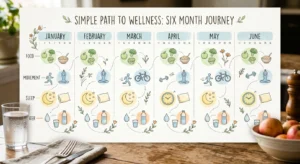
10 Daily Routine Tips for a Women’s 180-Day Diet
1. Start With a Balanced Breakfast
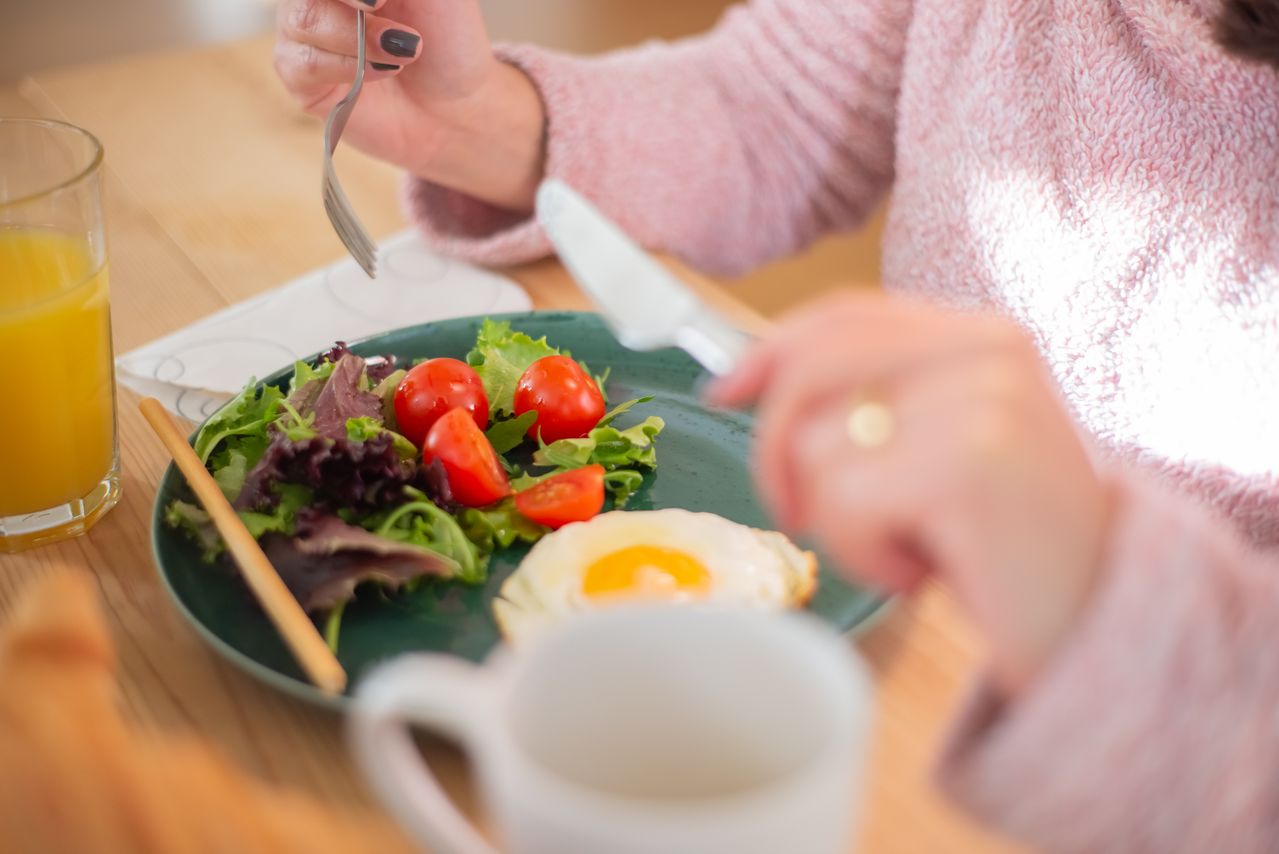
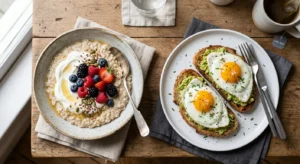
You know those mornings when you’re running out the door with nothing but a cup of tea? A balanced breakfast helps with exactly that. It usually has a little protein, some fibre and something that gives you energy. Think oats with yoghurt and berries, eggs on wholegrain toast, or a quick veggie omelette.
Breakfast isn’t a must for everyone, though. Some women feel better eating later in the morning, and that’s fine. What helps is having an easy go-to meal, whenever you eat first, so you’re not grabbing biscuits by default.
2. Include Protein Throughout the Day
Ever eaten a big plate of pasta and felt hungry an hour later? Adding protein to meals can help them feel more filling. Your body also uses protein to maintain muscle and support many everyday functions.
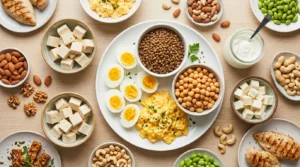
Easy sources include eggs, fish, chicken, lentils, chickpeas, beans, tofu, paneer, yoghurt and nuts. The right amount is personal, because it depends on your age, activity and health. If you want an exact number, a healthcare professional can help.
3. Include a Variety of Fruits and Vegetables
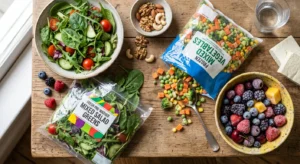
Let’s be honest, nobody wants to wash and chop five vegetables after a long day. So make it easy. Frozen veggies, bagged salad, canned beans and fruit you can just bite into all count.
Different fruits and vegetables give you different vitamins, minerals and fibre, so variety matters more than finding one “perfect” food. Toss spinach into your curry, add cucumber slices to lunch, or leave apples on the counter where you’ll see them.
4. Stay Hydrated Throughout the Day
It’s 4 pm and you realise you’ve had two cups of tea and nothing else. It happens to almost everyone. Water is the obvious choice, but tea, milk, soups and water-rich foods like cucumber and oranges also count.
How much you need isn’t the same for every woman. Weather, exercise, pregnancy, breastfeeding and health conditions can all change it. A simple habit is to have a drink with every meal and keep a bottle where you can reach it. Pay attention to your thirst, and ask your healthcare provider if you’re unsure.

5. Plan Meals Around Your Schedule
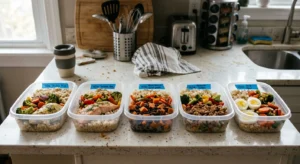
Meal planning for women doesn’t have to mean colour-coded charts. Sometimes it’s just deciding on two or three dinners before you go grocery shopping. Or cooking extra rice or vegetables on Sunday so Monday is easier.
Look at your week honestly. If Wednesday is packed with meetings or school pick-ups, that’s your quick-meal day. A wrap, a pot of lentil soup from the freezer or a ready salad with canned tuna will do. When a few easy, nutritious foods are already in your kitchen, good choices stop feeling like hard work.
6. Allow Room for Favourite Foods
Picture this: it’s a colleague’s birthday and there’s cake in the office. Or your family is out for biryani on Friday night. A routine you can follow for six months has space for moments like these.
If you cut out every treat, the whole plan starts to feel like a punishment, and that’s when many people quit. Leaving room can mean enjoying a slice of cake, a favourite snack once or twice a week, or a meal out without stressing about it. Food can be good for you and enjoyable at the same time.
7. Pay Attention to Portion Sizes
Portion awareness just means noticing how much food feels right for you. You don’t need a kitchen scale or a calorie app. Have you ever finished a plate simply because it was in front of you, even though you were already full? That’s the kind of thing this tip is about.
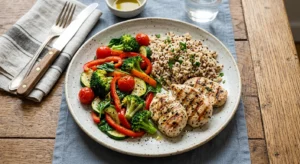
One simple idea is to picture your plate with about half vegetables, a quarter protein and a quarter carbs, then adjust for your hunger and activity. Eating slowly and checking how full you feel can help too. If you’ve ever struggled with disordered eating, please speak with a professional before using any portion method.
8. Include Regular Movement
Moving more doesn’t mean you have to join a gym tomorrow. Walking, cycling, dancing in your kitchen, gardening, swimming, taking the stairs and strength training all count.
The best option is the one you enjoy and can fit into your day. A ten-minute walk after lunch is a great place to begin, and you can add more time slowly. If you have an injury, a health condition or you’ve been inactive for a long while, check with a professional first.

9. Prioritise Sleep and Recovery
You probably know how it feels. After a bad night’s sleep, everything seems harder, and the snack cupboard looks a lot more tempting. Sleep and rest affect your energy, mood and appetite, so they also affect how easy a routine feels.
Many adults do well with a fairly regular bedtime and wake-up time, though needs vary. Dimming lights in the evening, having less caffeine later in the day and keeping your phone away near bedtime can help. Recovery also means rest days from exercise and some real downtime. If sleep problems keep showing up, it’s worth talking to a doctor.
10. Track Habits Instead of Focusing Only on Weight
Stepping on the scale and feeling let down by one number is something many of us know well. But weight is just one piece of the picture. It doesn’t show how strong you feel, how much energy you have or how healthy you are. It can also change from day to day for reasons that have nothing to do with food.
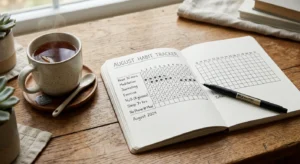
Tracking habits gives you a fuller view. You might note things like:
- How many days you had a vegetable at lunch
- Walks or workouts you finished
- How many hours you slept
- How your energy felt in the afternoon
- Meals you made at home
A notebook or a phone note is enough. After a month or two, looking back often shows progress a scale can’t.
What Could a Typical Day Look Like?
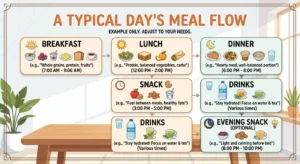
Here’s an example of a balanced day, just to spark ideas. It’s not a set meal plan. Change the portions and foods to match your needs, your taste, your culture and your health.
- Breakfast: Porridge made with milk or a fortified alternative, topped with sliced banana and a spoonful of nuts or seeds.
- Lunch: Lentil and vegetable curry with brown rice or a chapati, plus a small salad.
- Snack: Plain yoghurt with fruit, or an apple with a small handful of almonds.
- Dinner: Grilled fish, chicken or tofu with roasted vegetables and potatoes or quinoa.
- Drinks: Water through the day, plus tea or coffee in amounts that suit you.
- Optional evening snack: A piece of fruit or a few wholegrain crackers with cheese, if you’re hungry.
How to Stay Consistent for 180 Days
Six months is a long time. Some weeks you’ll feel motivated, and other weeks you’ll barely want to think about food. That’s completely normal. Consistency usually comes from making things easy, not from forcing yourself.
Start slowly. Changing everything at once is exhausting. Pick one or two tips, stick with them for a few weeks, then add another.
Keep meals simple. A few go-to breakfasts, lunches and dinners are plenty. Eating the same meals on repeat is normal, and it saves a lot of effort.
Get ready for tough days. We all have days when cooking feels impossible. Keep backups like frozen meals, canned beans, eggs or nuts, so those days don’t throw everything off.
Skip the all-or-nothing thinking. Missing a walk or ordering takeaway doesn’t ruin your week. Your next meal is always a fresh start.
Expect some changes. Travel, illness, festivals and stressful weeks will shake things up. Adjusting for a while and coming back when you’re ready is part of a realistic plan.
Aim for consistency, not perfection. Following your routine most days matters more than having one flawless week and then burning out.
Common Mistakes to Avoid
Expecting too much, too fast. Hoping for quick or dramatic results often leads to frustration. Progress over six months is rarely a straight line, and everyone’s results look different.
Restricting too much. Eating far too little can leave you tired, grumpy and more likely to give up. Your routine should give you enough energy for your day.
Cutting out whole food groups for no reason. Unless you have a medical reason or an allergy, removing carbs, dairy or fats completely can make it harder to get a good range of nutrients.
Trusting detoxes and quick fixes. Detox products and “rapid” programmes can’t replace regular, balanced eating. Your body already has its own systems for dealing with waste, and unproven products can carry risks.
Seeing one off-plan meal as a failure. One meal doesn’t define your week or your six months. Moving on without guilt is part of staying consistent.
Frequently Asked Questions
Is a 180-day diet suitable for every woman?
Not always. Needs change with age, health, activity level and life stage. If you’re pregnant, breastfeeding, managing a medical condition or recovering from disordered eating, please get personalised advice from a qualified healthcare professional first.
Can a women’s 180-day diet help with weight management?
Regular, balanced eating and staying active can support weight management for some people. But results differ from person to person, and nothing is guaranteed. It’s best to see this approach as a way to build habits you can keep, and a doctor or dietitian can help if you have specific goals.
What foods should women include in a 180-day diet?
A good mix usually includes vegetables, fruit, whole grains, protein foods (lean or plant-based), dairy or fortified alternatives, and healthy fats like nuts, seeds and olive oil. Some women have specific needs, such as iron or calcium, so it’s worth checking with a professional about your own.
Can I eat treats during a 180-day diet?
Yes, in most cases. A routine you can follow for months usually has space for favourite foods and the odd meal out. Enjoying them without guilt makes the whole thing easier to stick with.
How can I stay consistent for six months?
Start with a few small habits, keep your meals simple and plan for busy days. Tracking things like energy, sleep and movement can show you progress beyond the scale. If you slip, just pick it back up at your next meal or the next day.
Conclusion
A women’s 180-day diet works best when you treat it as a slow, steady way to build habits, not a strict programme. Balanced meals, a good mix of foods, regular movement, enough rest and a relaxed attitude toward food can all fit into real life, even the busy, messy parts.
There’s no single right way to do it, and no guaranteed outcome. Choose small habits you can keep, change them when life changes, and don’t aim for perfect. If you have specific health needs, a qualified healthcare professional can help you shape the plan to fit you.