
In an era of “wellness optimization,” the supplement aisle can feel like a maze. With thousands of bottles promising everything from health and longevity to instant focus, how do you separate the science from the marketing?
This guide breaks down the world of supplements from basic daily needs to advanced performance enhancers, answering the most “also asked” questions by health enthusiasts today.
1. The Hierarchy of Health: What is the Best Overall?
If you are looking for a baseline, the overall best supplements to take are those that fill the most common nutritional gaps.
- Multivitamins: Think of this as your “insurance policy.” It ensures you get the RDAs (Recommended Dietary Allowance) of micronutrients.
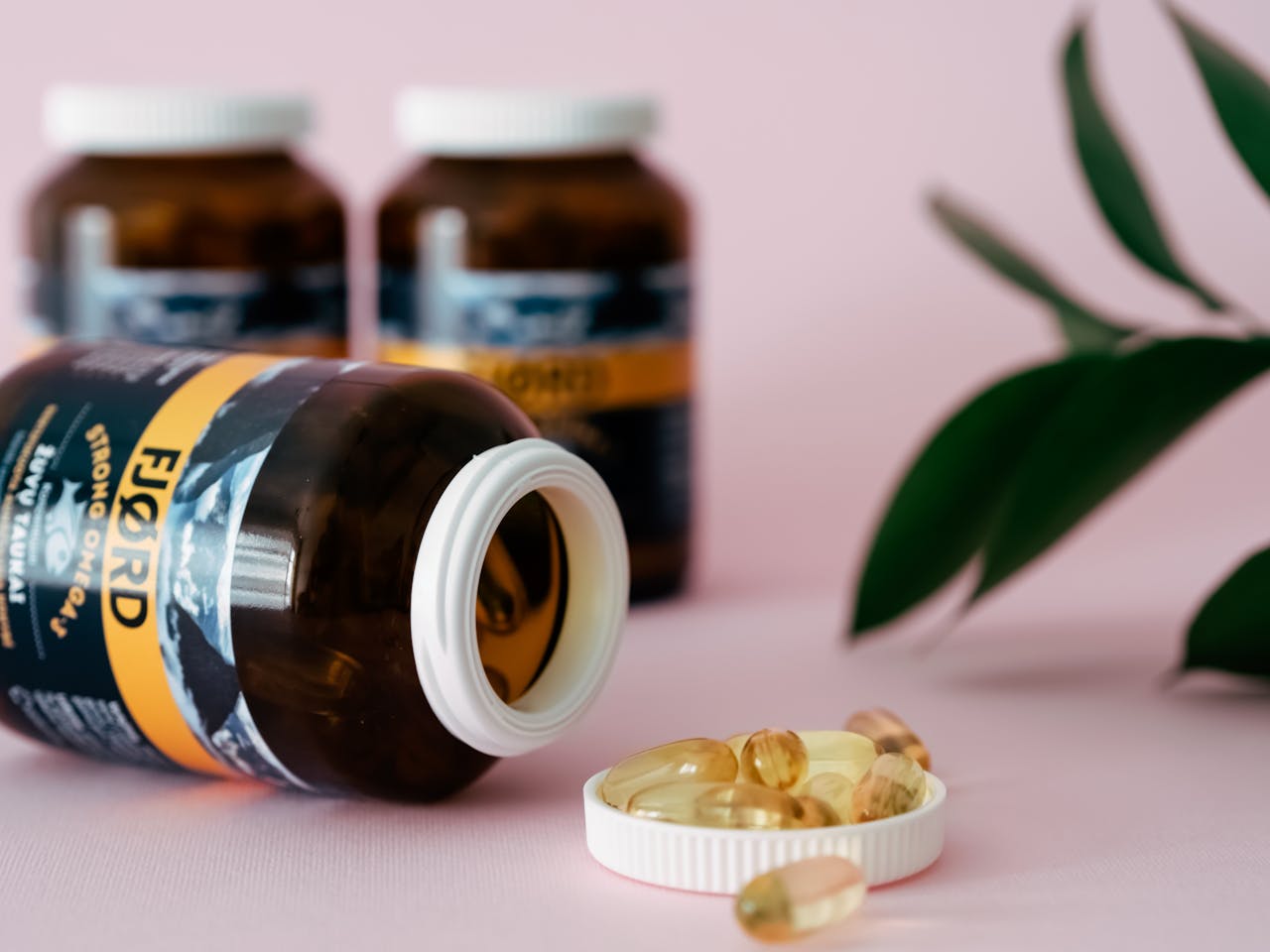
- Omega-3 (Fish Oil): Vital for heart health and brain function. Harvard Health suggests that these fats are essential for maintaining cardiovascular integrity.
- Vitamin D3: Essential for immune support and bone health, especially for those living in less sunny climates.
While supplements support your health, exercise is the other half of the equation. See how viral routines like the 30/30/30 rule helped stars like Kelly Clarkson transform their bodies.
i. The King of Supplements: Magnesium
While many claim Vitamin C is the leader, experts often name Magnesium as the “King of Supplements.” Why? It is involved in over 300 biochemical reactions in the body. You can watch Dr. Andrew Huberman’s breakdown of Magnesium forms on YouTube to understand which type is best for your specific needs.
2. The Nootropic Showdown: Lion’s Mane vs. Others
You asked about the “brain boosters” taking the internet by storm. Here is how they stack up:
ii. Is Lion’s Mane or Magnesium Better?
This depends on your goal.
- Magnesium is better for physical recovery, sleep, and anxiety.
- Lion’s Mane is better for cognitive function, memory, and nerve regeneration. If you want to sleep better, go with Magnesium. If you want to study or work better, choose Lion’s Mane.
iv. Ashwagandha vs. Lion’s Mane: Which is Better?
- Ashwagandha: An adaptogen that primarily lowers cortisol (stress). According to The Mayo Clinic, it is one of the most studied herbs for stress management.
- Lion’s Mane: A medicinal mushroom that stimulates NGF (Nerve Growth Factor). It’s great for “mental clarity.”
3. Trust and Power: Finding What Works
iii. What is the #1 Most Trustworthy Vitamin Company?
In the supplement industry, “Third-Party Testing” is everything. Currently, Thorne is widely considered the #1 most trustworthy brand. You can see their certification standards on the NSF International official site.
- Runner ups: Pure Encapsulations, Life Extension, and Ritual.
vii. Which is the Most Powerful Supplement?
In terms of immediate physical impact, Creatine Monohydrate is the most powerful and researched supplement. Professional trainer Jeff Cavaliere (Athlean-X) explains the science of Creatine in detail for those looking to maximize performance.
4. Daily Rituals and Red Flags
v. Which Supplements Should I Take Every Day?
For the average adult, a safe and effective daily stack includes:
- Vitamin D3 (with Vitamin K2 for better absorption).
- Magnesium Glycinate (easier on the stomach than other forms).
- Omega-3s.
- A Probiotic (if your gut health is a priority).
vi. What are the Signs of Vitamin Deficiency?
Your body sends signals when it’s running low. The Cleveland Clinic highlights these common red flags:
- Brittle Hair/Nails: Possible Biotin (B7) deficiency.
- Mouth Ulcers: Possible B12 or Iron deficiency.
- Muscle Cramps: Usually a lack of Magnesium or Potassium.
- Bleeding Gums: Classic Vitamin C deficiency sign.
5. The Science of Vitamin D
viii. Is it Better to Take Vitamin D or 3D?
There is often a confusion in terminology here. You should always look for Vitamin D3 (Cholecalciferol).
- Vitamin D2 is plant-based and less effective.
- Vitamin D3 is significantly better at raising and maintaining your blood levels. Dr. Eric Berg has an excellent video guide on Vitamin D3 and K2 synergy.
FAQs: Supplement Quick-Fire
Q: Can I take all my vitamins at once? A: It’s better to split them. Fat-soluble vitamins (A, D, E, K) must be taken with a meal containing fat. Magnesium is best taken in the evening.
Q: Is “Natural” always better? A: Not necessarily. “Synthetic” vitamins like B12 are often more bioavailable than those found in some food sources.
Final Advice for Readers
Before starting any “advanced” stack, get a basic blood panel done. Knowing your specific deficiencies is the only way to move from “basic” supplementation to “advanced” biohacking.
Your health is an investment, not an expense. Choose quality over quantity.